
The Core Mechanism
The spring action gun — or double spring action gun — works on Newton's third law of motion. The entire mechanism is designed to convert potential energy to kinetic energy in a fraction of a second. The pressure is applied by hand to pull the corking mechanism. A spring pulls the slider forward in a single spring action gun. In the case of a double spring action gun, the slider is pushed forward with a strong force, making it far superior to a regular single spring gun.

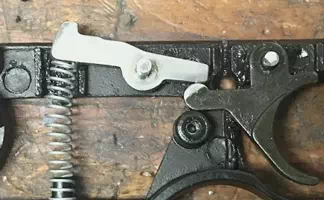
The huge tension generated from the double spring mechanism is hooked onto a metal lever. This lever is made of metal to withstand the tremendous amount of pressure that a regular material cannot handle and would wear out.
The moment you press the trigger, the lever is lowered, releasing the power of two springs onto the piston. The piston compresses the brass cylinder and a huge amount of air is pushed through the small opening where the projectile resides. The immense amount of air at high speed takes the projectile with it.
Apart from the gun itself, the nature of the projectile decides the range. The same gun with different ammunition can have different ranging capabilities.
The Spring

Various components need in-depth research before being installed in an air gun — spring is one of them. Typical air gun springs are made from hardened spring steel, referred to as compression springs. This material is highly elastic yet tough. The typical auto-coiler machine makes it possible to convert regular spring steel rods into springs for air guns. There are times that the spring loses its power and needs replacement. Usually the replacement is the same size; in cases of unavailability, longer springs are cut to suitable length using high-speed tools due to the hardness of the material.
The Piston and Cylinder
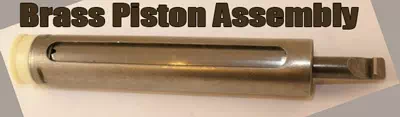
Most air guns use plastic parts and a plastic cylinder for the compressor assembly. Some premium segment spring action guns use brass for the cylinder. Brass is a soft metal — highly malleable and resistant to corrosion. Plastic, on the other hand, tends to wear out far faster than brass. A properly designed piston and cylinder from brass can last a lifetime.
The Barrel

The barrel is another important aspect of an air gun. Since air guns fire BBs and pellets, there is a very low possibility of improving accuracy with rifling. Typical air guns have a fire range of 10–15 meters, which means you do not need a scope to hit your target. A good quality barrel made with brass provides a good air seal between the walls and the BBs. The longer the barrel, the better the range. Air guns are very much like those used in the American Revolution — very long barrels but short range.
Critical Cast Components
In a good quality air gun, some of the critical components are made from casting. These are parts that hold the strain of the spring when in a compressed state. When you cork an air gun it takes a lot of power — imagine the little finger of your hand holding all the power you applied while corking. The parts used are smaller than that. This is the key reason that parts are moved from normal plastic to metal.